About the Louvre Abu Dhabi

The architecture of the Louvre Abu Dhabi

The architecture of Louvre Abu Dhabi is as iconic as the art and artwork it houses on the inside.

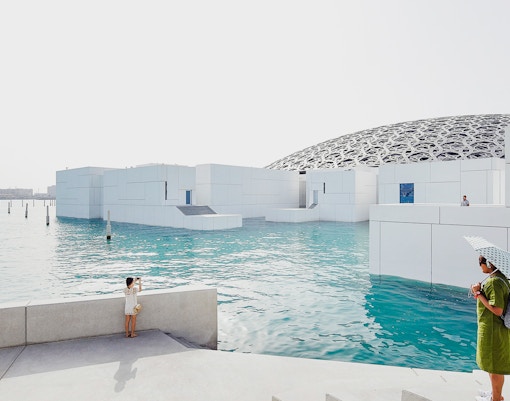
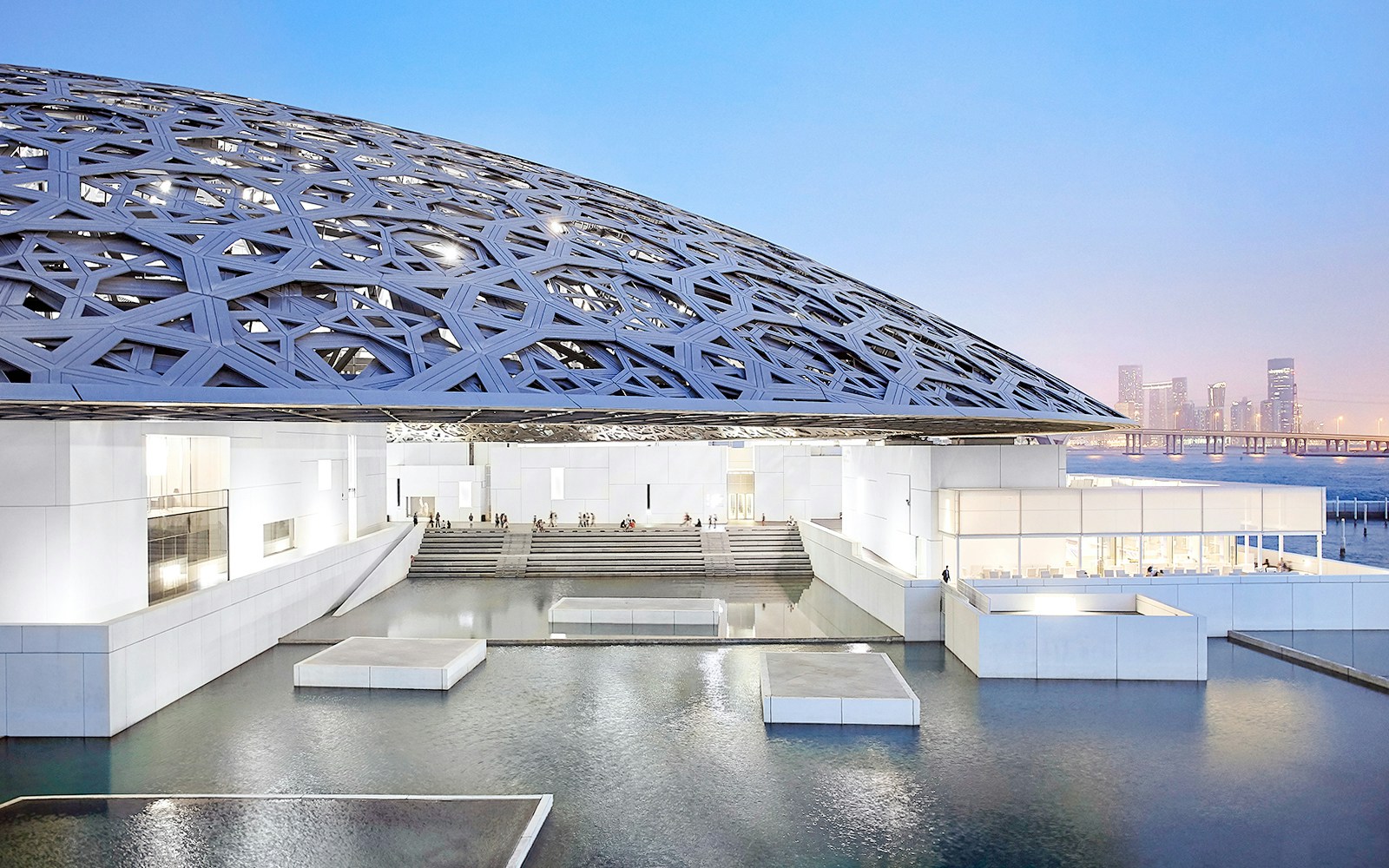
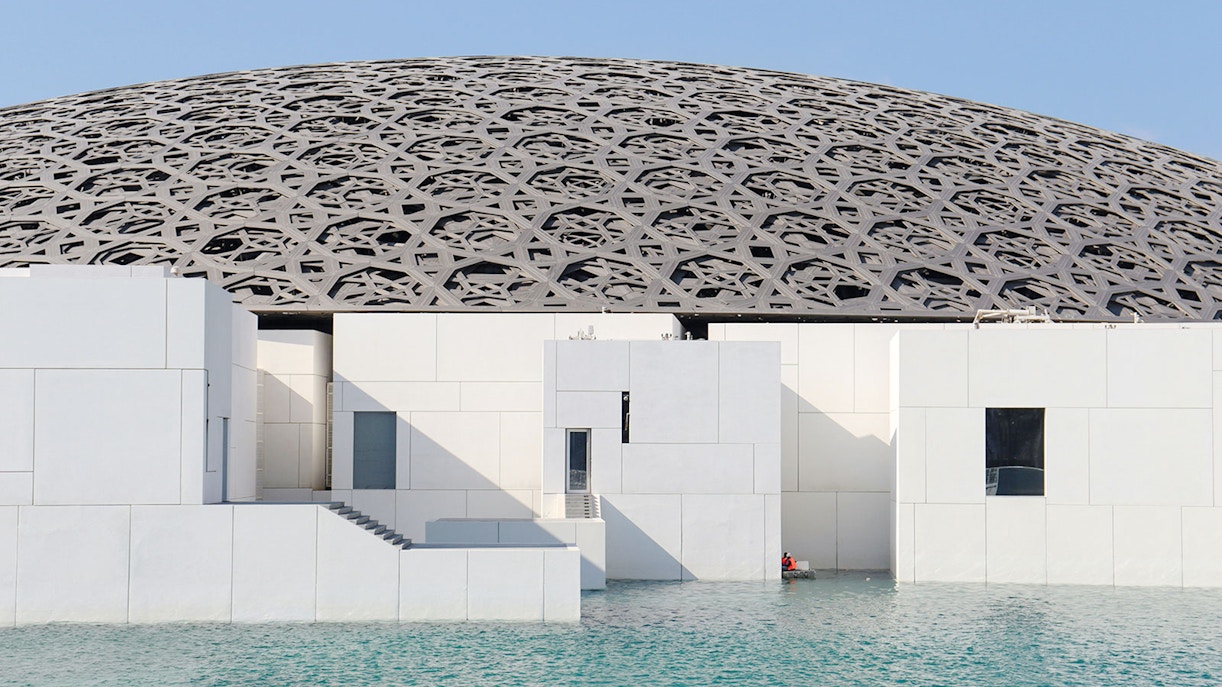
Designed by Pritzker Prize winner Jean Nouvel, the Louvre Abu Dhabi is a "museum city" on the water. From the intricate dome to the surrounding complexes (inspired by the Arabic medinas), the Louvre Abu Dhabi is now an iconic landmark of the region.

Read on to learn more about the architecture of the Louvre Abu Dhabi and the person behind it.

Highlights of the Louvre Abu Dhabi architecture

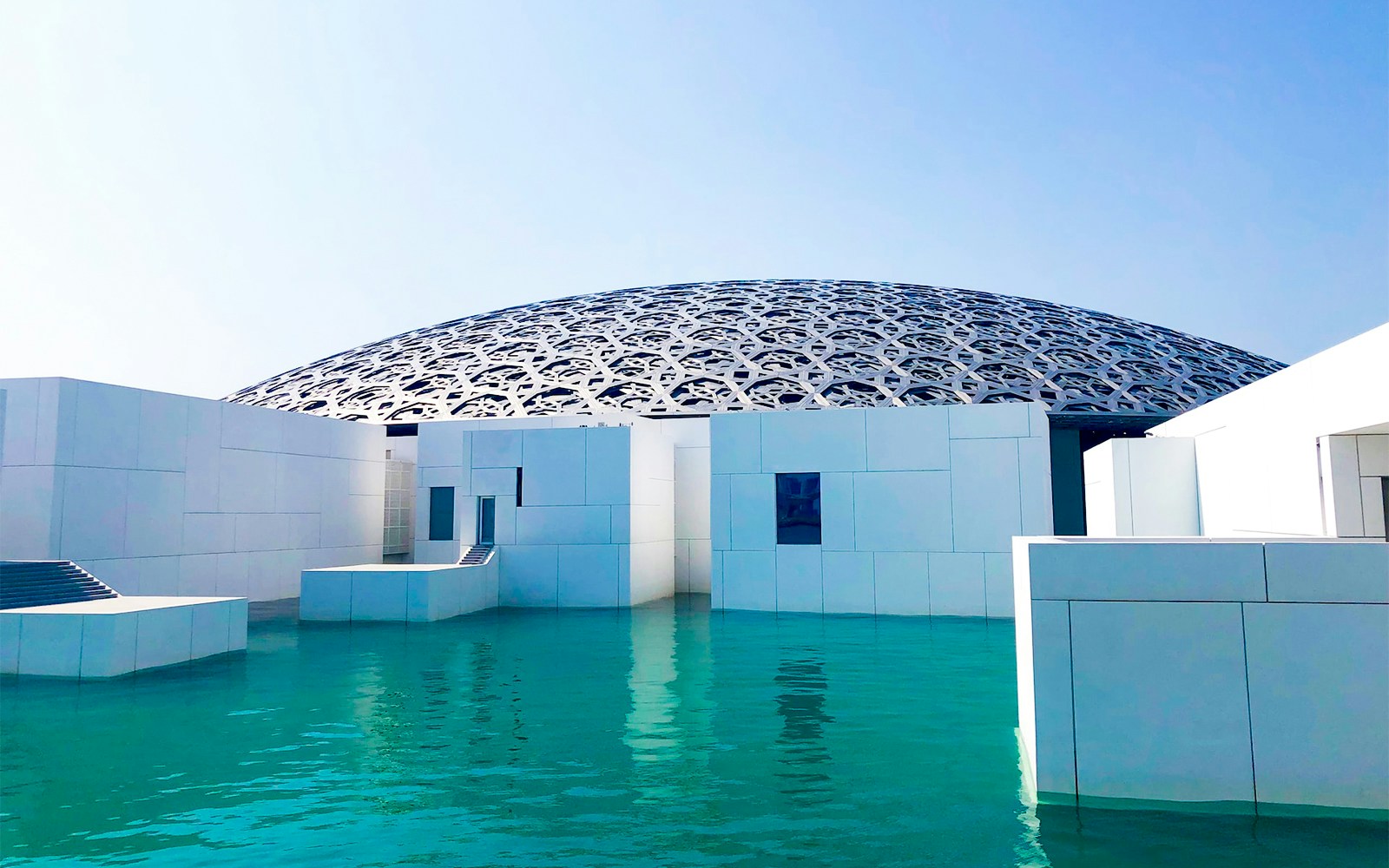
Louvre Museum Abu Dhabi exterior with dome and reflecting water.

The dome

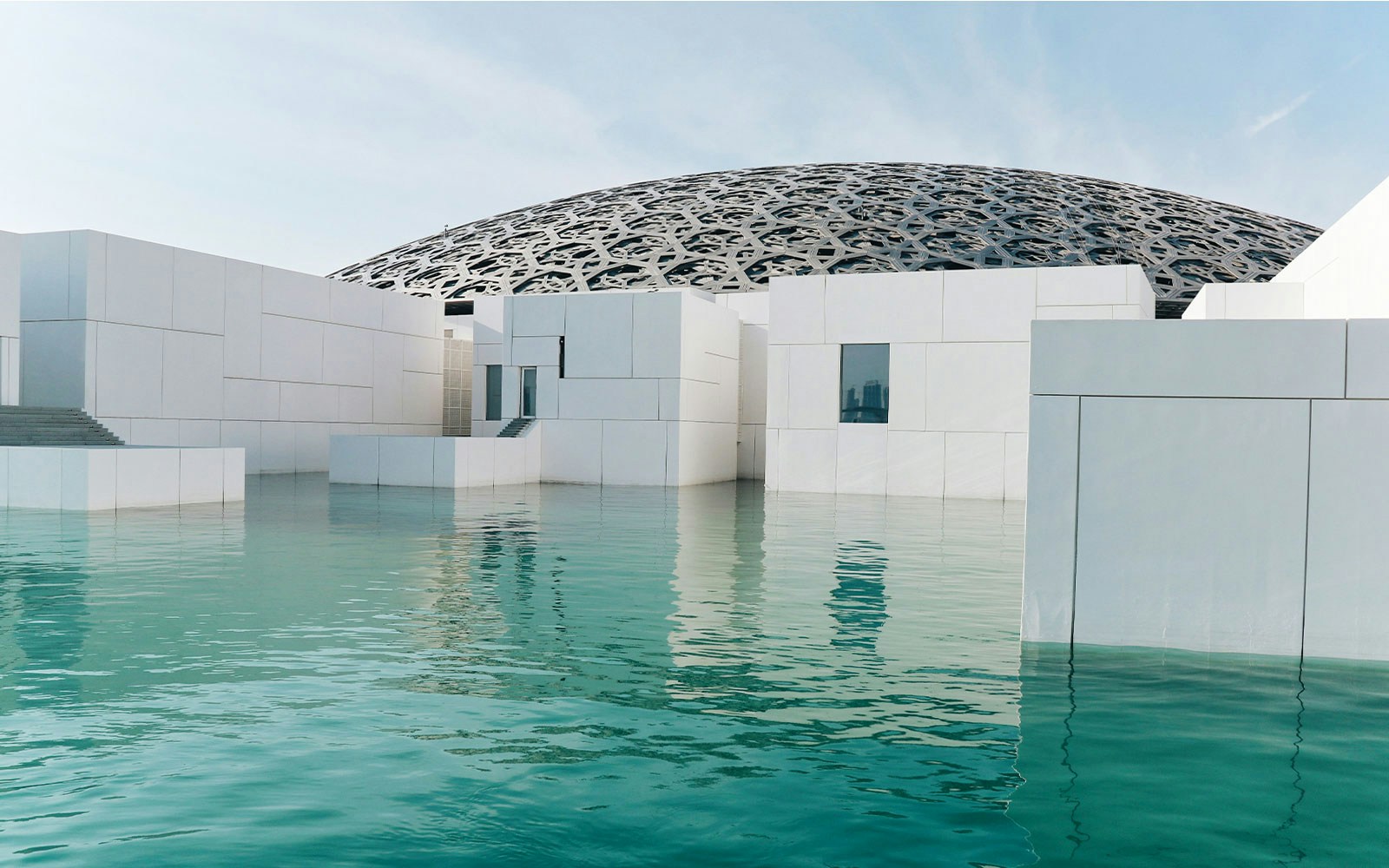
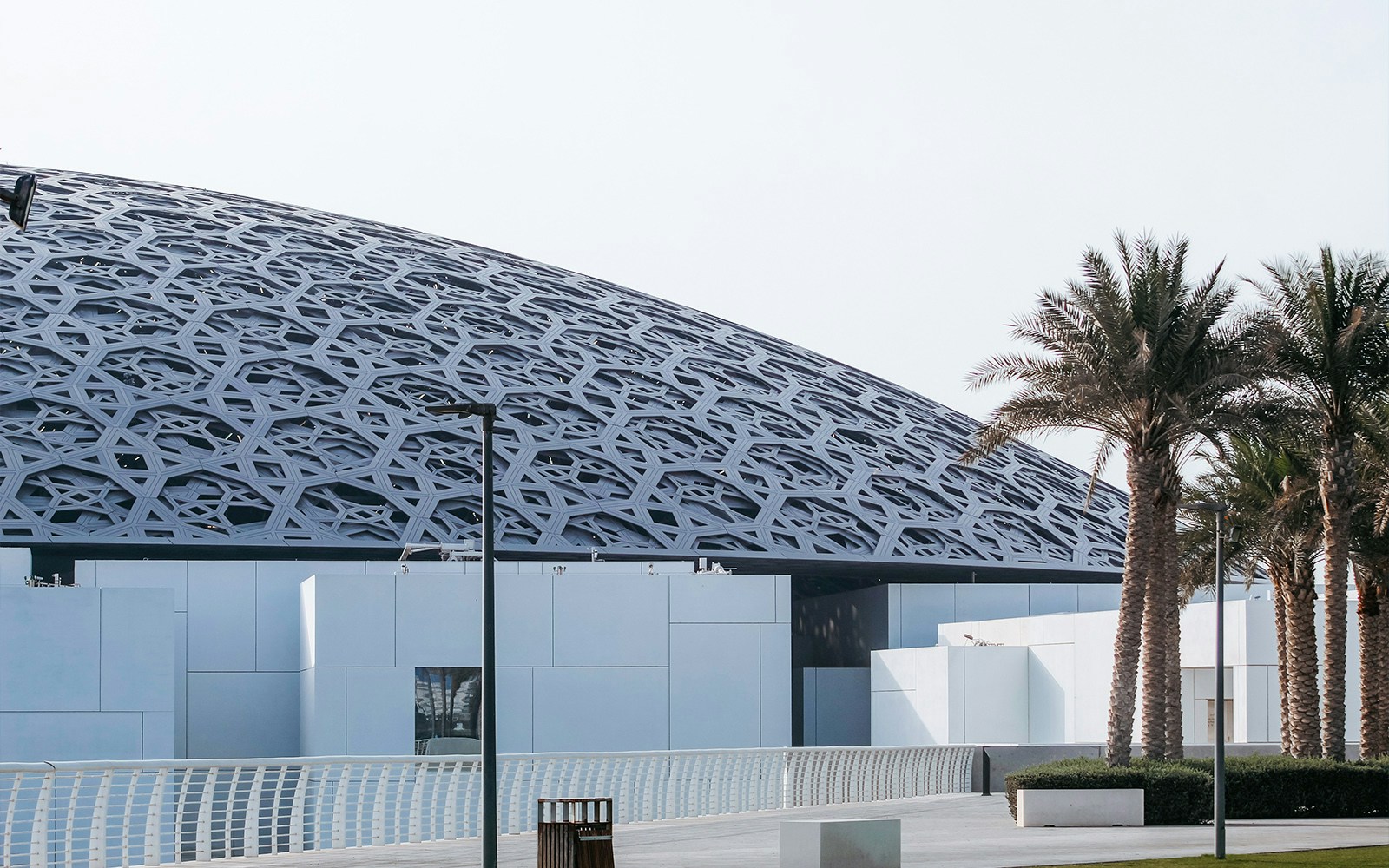
It is impossible to escape the dome, the center piece of the Louvre Abu Dhabi. The design of the white dome is inspired by the Mashrabiya screens, a traditional element of Arabic architecture that provides privacy and regulates airflow.

Louvre Abu Dhabi's dome and water features at sunset with city skyline in background.
Louvre Abu Dhabi exterior with unique dome design reflecting sunlight.
Louvre Abu Dhabi exterior with geometric dome and water reflection.
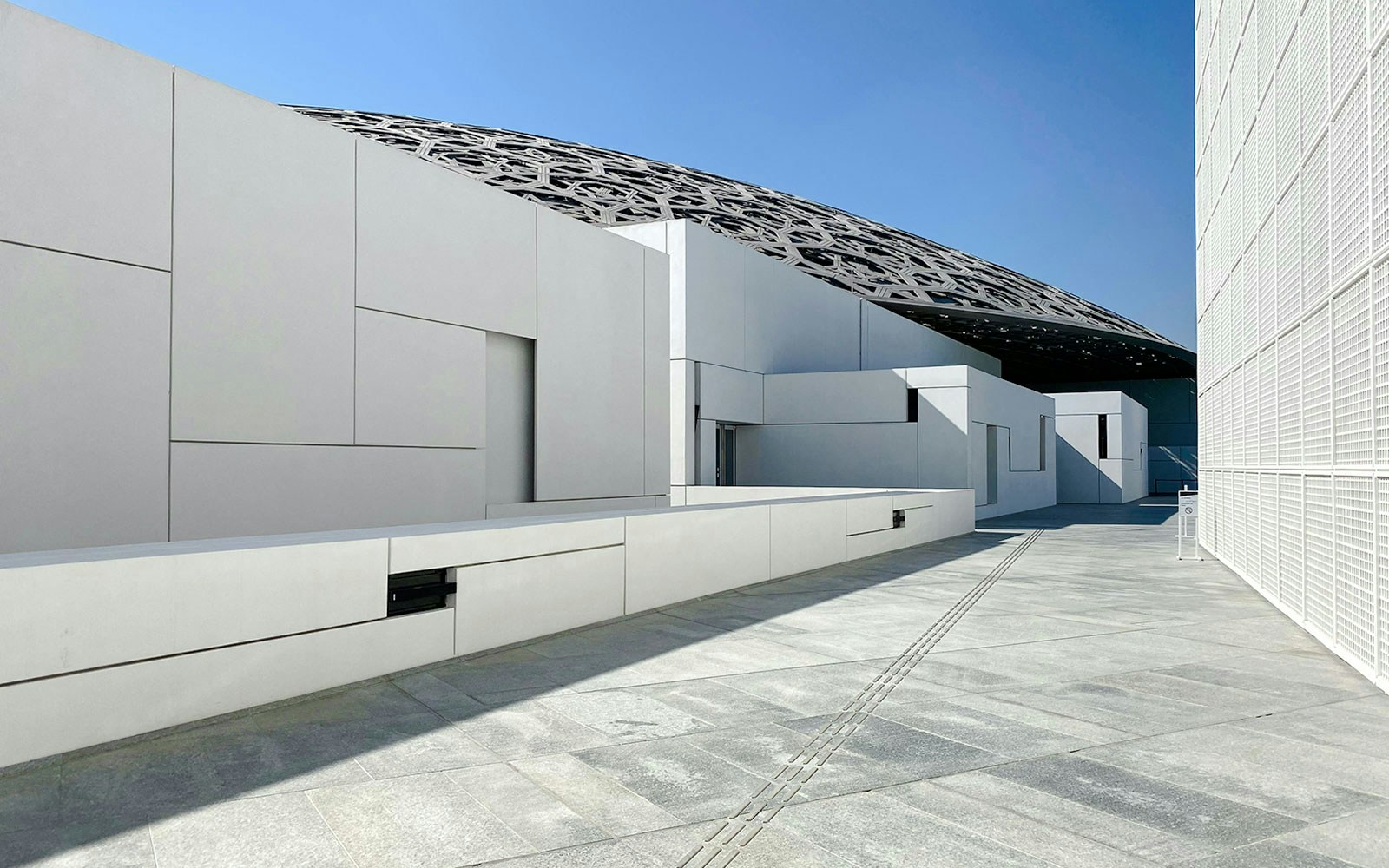
Louvre Abu Dhabi exterior with geometric architecture and dome roof.

Louvre Abu Dhabi architectural style

Louvre Abu Dhabi's dome and modern architecture over water.

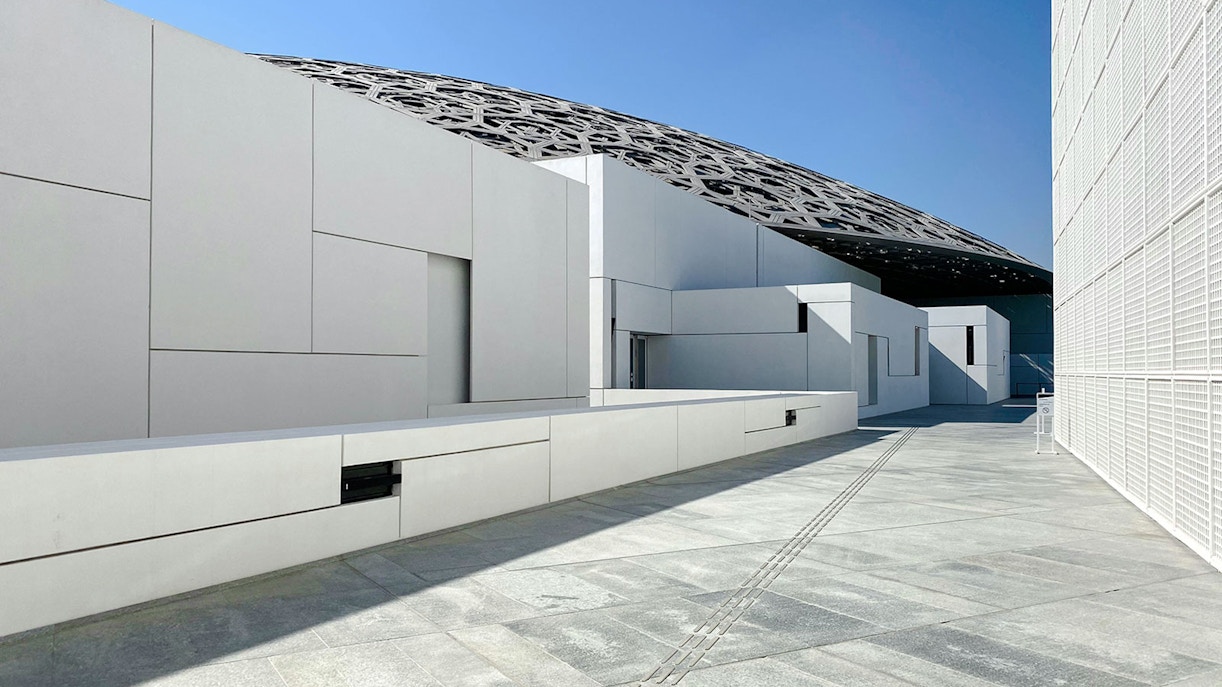
This museum isn't your typical four-walled building. The Louvre Abu Dhabi takes a fresh approach, mixing modern design with a nod to Islamic architecture. The buildings are low-rise, clustered together like a traditional marketplace, creating a "museum city" on the water.

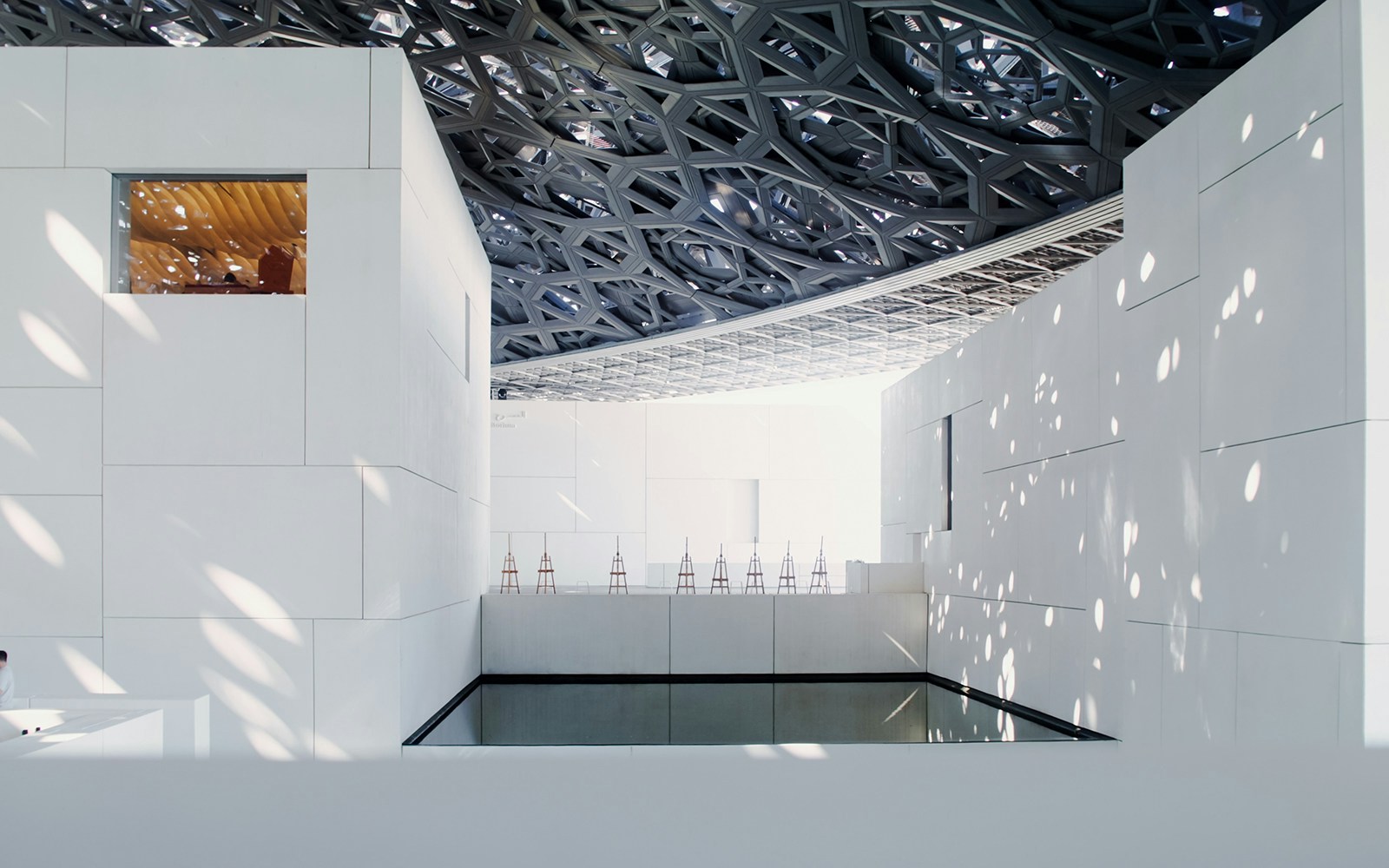
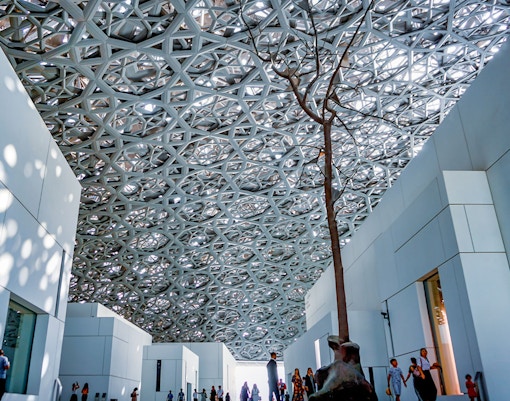
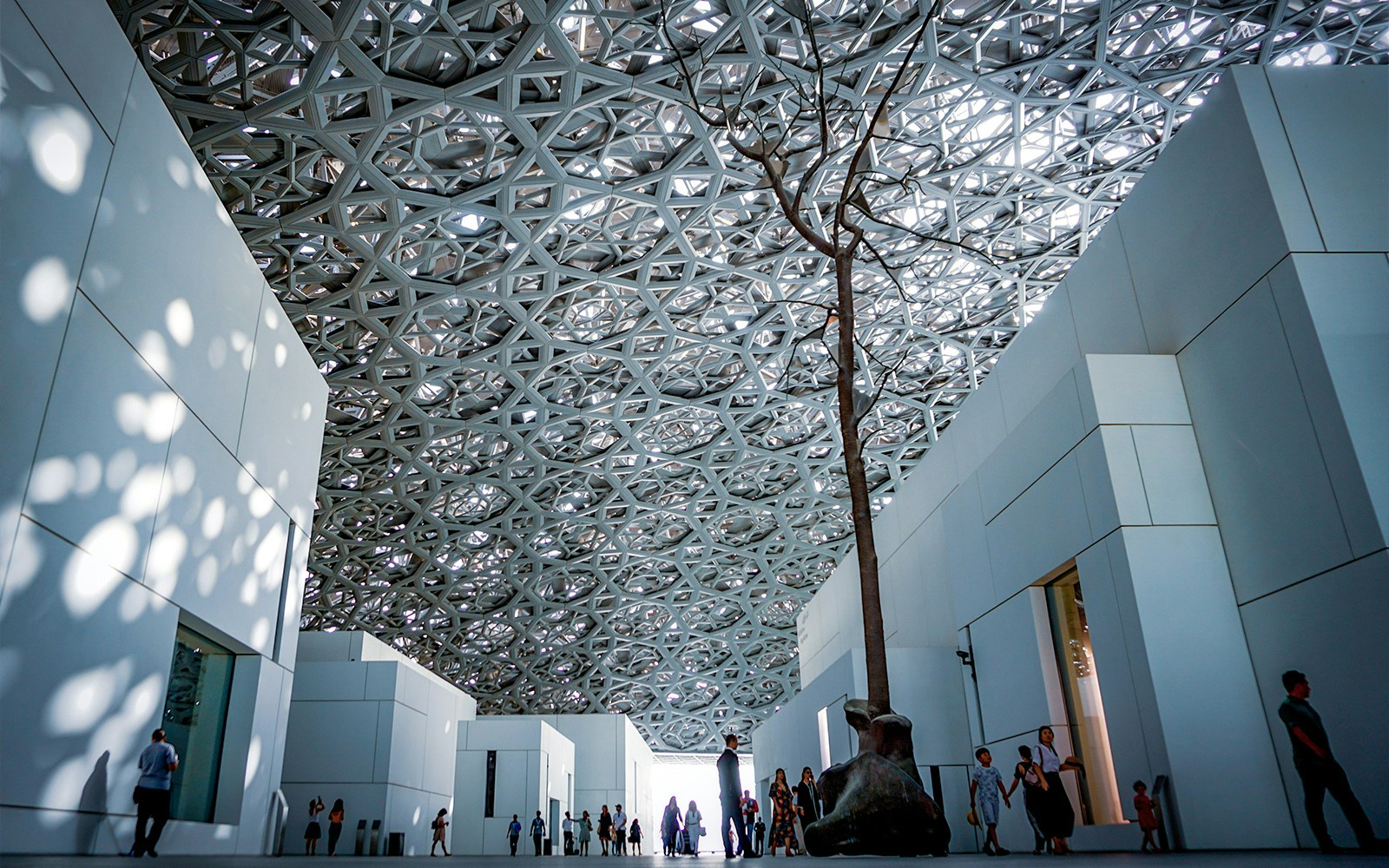
The real star of the show, though, is the dome. Imagine a classic dome reimagined for the 21st century. Sunlight filters through its fancy, layered design, creating a magical "rain of light" inside.

The whole place feels like a meeting point of East and West. Contrasting metals and limestone highlight this connection, making it clear that the Louvre Abu Dhabi is a place where art lovers from anywhere can come together.
About the Louvre Abu Dhabi's dome

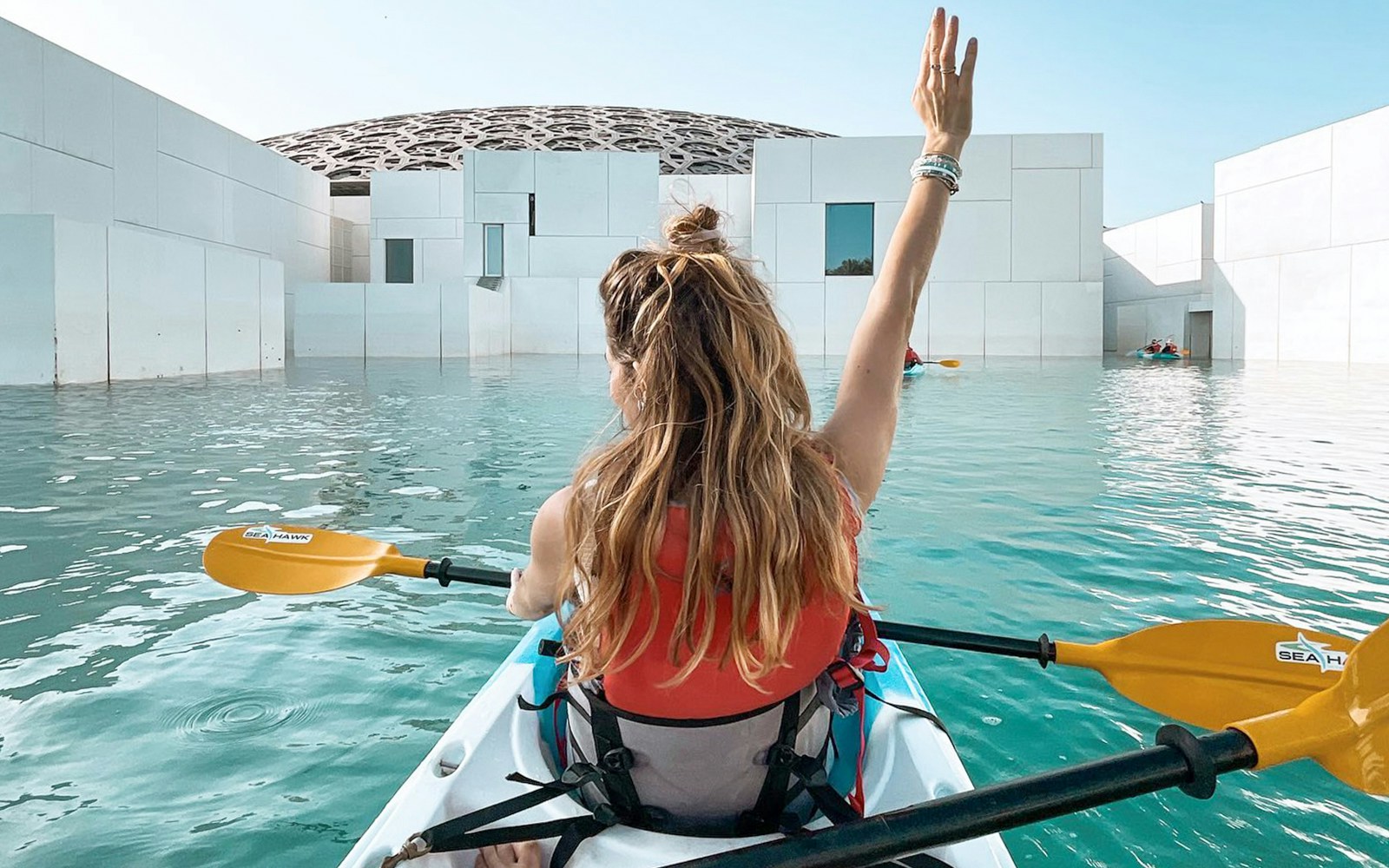
Kayaker paddling near Louvre Abu Dhabi's dome on a guided tour.

7,500 tons

That's the weight of this dome! This is equal to 33 Statues of Liberty! That's how much metal went into building this beauty.

Louvre Abu Dhabi exterior with unique dome design and waterfront view.
Louvre Abu Dhabi interior with geometric ceiling and light patterns.
Louvre Abu Dhabi exterior with unique dome design and waterfront view.
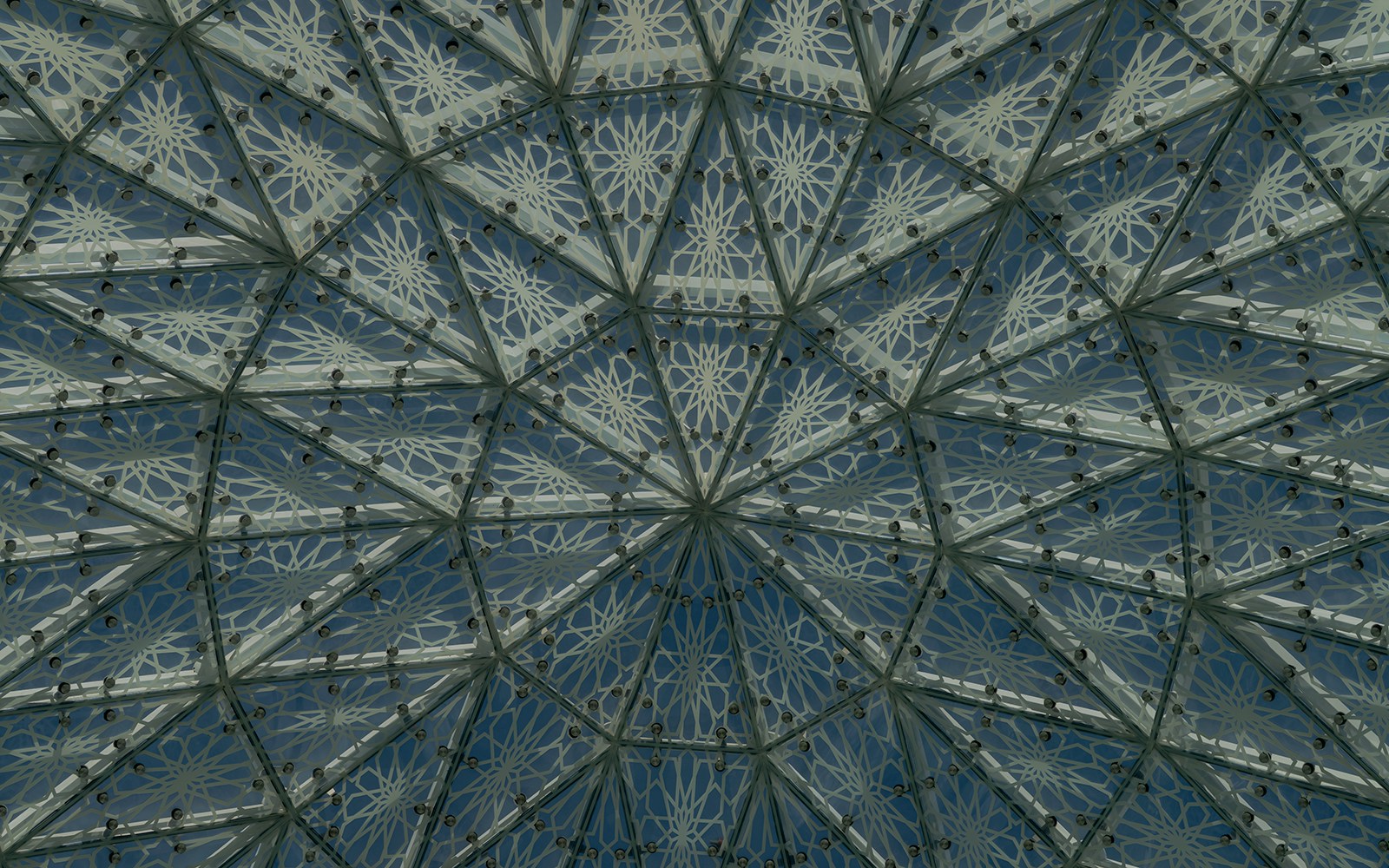
Lattice design of the Louvre Abu Dhabi dome with geometric patterns.

The architect of the Louvre Abu Dhabi

Louvre Abu Dhabi exterior with geometric architecture and dome roof.

Jean Nouvel, the visionary architect who garnered international acclaim and the prestigious Pritzker Prize, designed the Louvre Abu Dhabi. Nouvel isn't afraid to push boundaries and blend influences.  His design for the Louvre Abu Dhabi perfectly exemplifies this approach, integrating modern aesthetics with a deep respect for the region's cultural heritage. The result is a landmark that stuns visitors with its futuristic form while remaining deeply rooted in its surroundings.

The Louvre Abu Dhabi has garnered recognition for its innovative design even before it opened its doors to the public. Some awards include the Identity Design Award (2015), the European Steel Design Award (2017) (Shared with Waagner Biro), and the Identity Design Award (2017).

  • 2006-2012: It took six years for Jean Nouvel's vision, which was inspired by Islamic architecture and featuring a groundbreaking dome, to come to life.
  • 2013-2017: With a solid plan in place, the construction started. The foundation was laid, the rooms for the galleries were created, and the iconic dome began to take shape.
  • 2015-2016: The Louvre Abu Dhabi's innovative design garnered prestigious awards even before its official opening. 
  • 2017 The Louvre Abu Dhabi was officially opened for the public, gathering visitors from all over the world to view the masterpieces it is now home to.

The Louvre Abu Dhabi Interiors

Star-shaped patterns

The museum's interior design reflects the geometric patterns of the dome. Look for subtle repetitions of the star shapes used in the dome throughout the galleries, perhaps embedded in the flooring or incorporated into decorative elements.

Natural light

Natural light is a key player within the Louvre Abu Dhabi. Beyond the "rain of light" effect, several strategically placed skylights illuminate the galleries. This natural light not only bathes the artwork in a warm glow.

Muted tones

The interior materials are carefully chosen to complement the artwork without stealing the spotlight. Polished concrete floors and neutral-colored walls create a complementary backdrop for the vibrant colors and textures of the exhibits.

Courtyards

Scattered throughout the Louvre Abu Dhabi are peaceful courtyards. You can take a break from the galleries and stretch your legs in these open spaces that have lush greenery and reflecting pools.

Frequently asked questions about the Louvre Abu Dhabi’s architecture

The Louvre Abu Dhabi's architectural style is a unique blend of modernism with subtle Islamic influences.