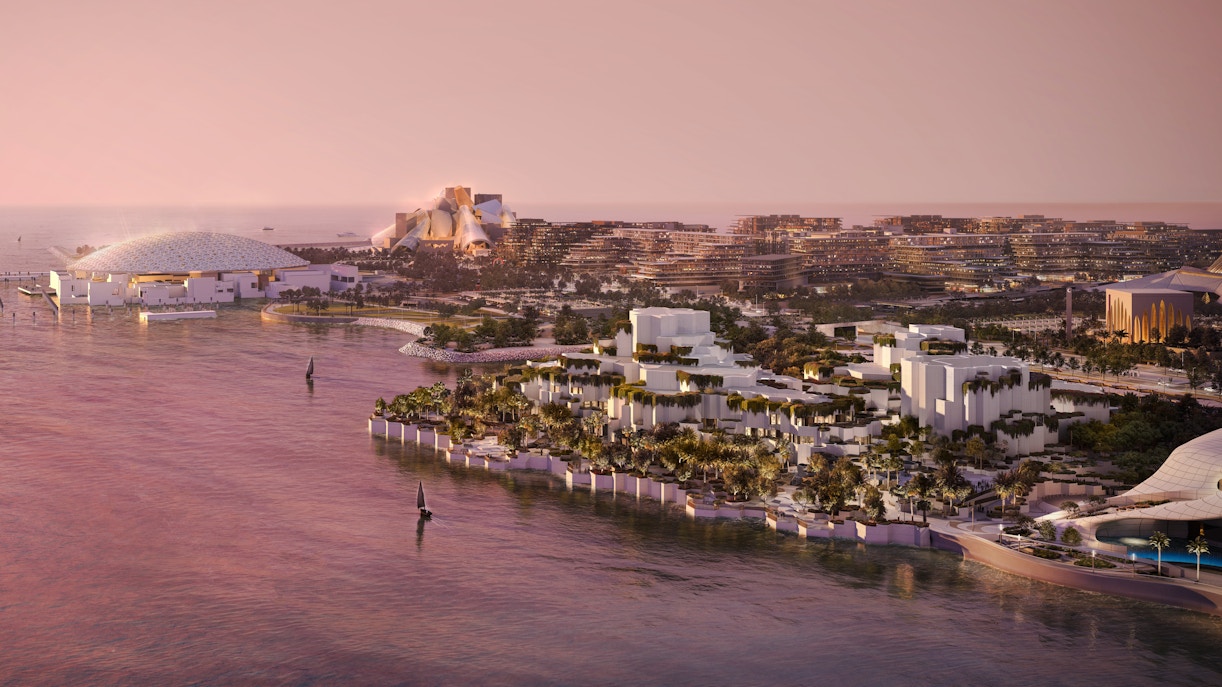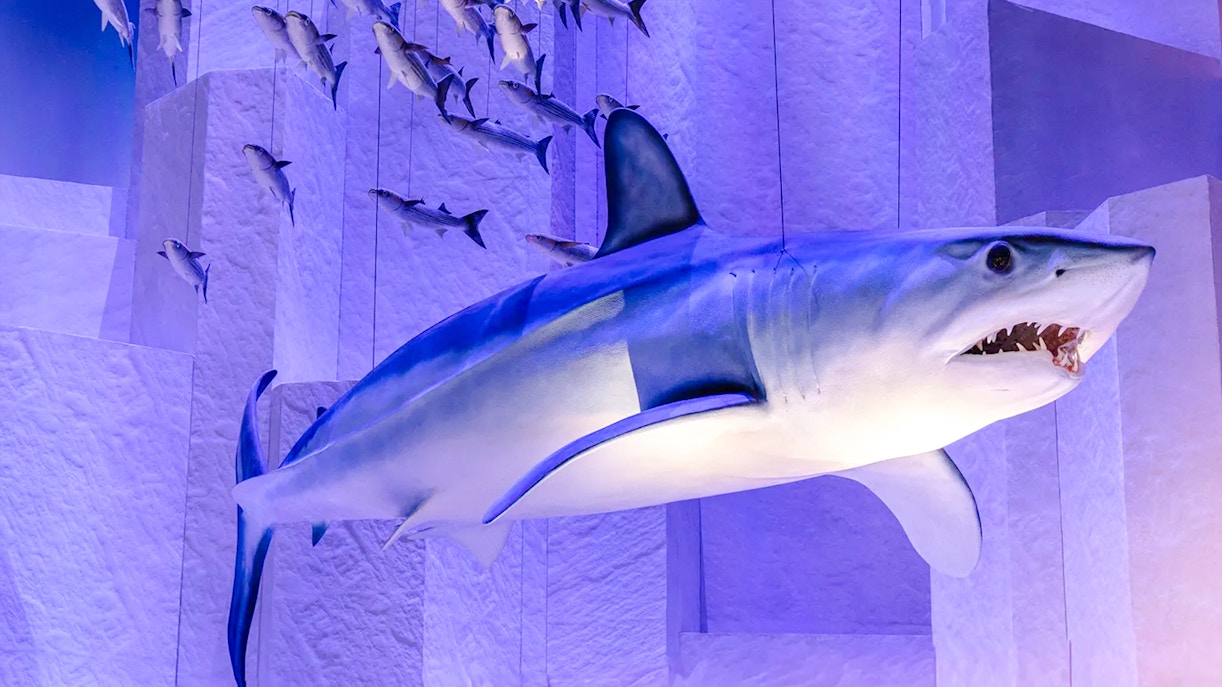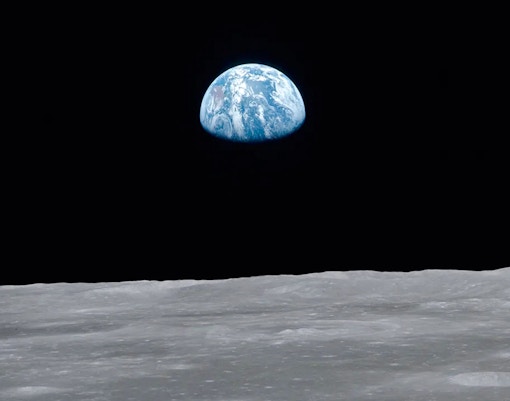
The Natural History Museum Abu Dhabi is a world-class science museum that traces the story of the universe, from the Big Bang to life on Earth and humanity’s future. Located in the Saadiyat Cultural District, it combines cutting-edge research, immersive galleries, and rare natural specimens to present Earth’s 13.8-billion-year history through a global and regional lens.

Quick information

  • Address: Saadiyat Cultural District, Saadiyat Island, Abu Dhabi, UAE
  • Recommended duration: 2–3 hours
  • Timings: 10:00am–6:30pm (Sun–Thu); 10:00am–8:30pm (Fri–Sat)
  • Number of entrances: 1 main public entrance
  • Expected wait time (standard): 10–30 minutes during peak hours

Did you know?

  • The museum houses Stan, a 67-million-year-old Tyrannosaurus rex, one of the most complete T. rex skeletons ever discovered.
  • A 25-metre blue whale skeleton hangs dramatically in the central atrium, representing the largest animal to have ever lived.
  • The museum displays a fragment of the Murchison meteorite, containing stardust older than the Sun itself.

Why the Natural History Museum Abu Dhabi is a must-visit

🌍 A complete story of Earth — in one walk

Walk through 13.8 billion years of history, from the Big Bang to the future of our planet, in a single, clearly sequenced route. The museum connects space, geology, life, and humanity into one continuous narrative—no prior science knowledge required.

Why it matters: You don’t just see exhibits; you understand how everything on Earth is connected.
🦖 Home to world-class, headline exhibits

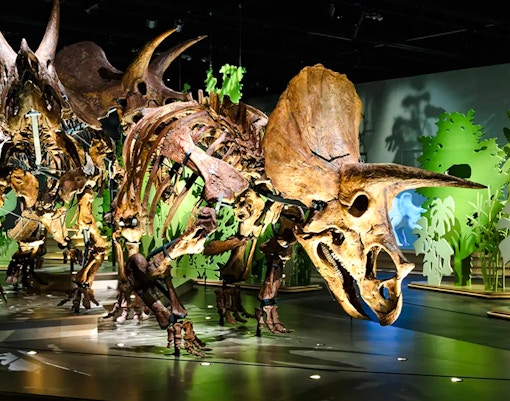
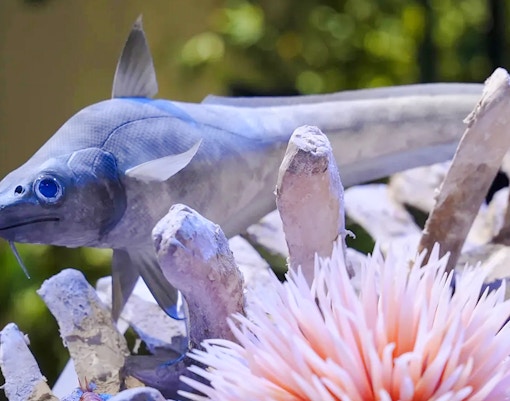
Stand beneath Stan the T. rex, one of the most complete and valuable dinosaur skeletons ever discovered, and a 25-meter blue whale skeleton, the largest animal to have ever lived. Rare fossils, meteorites, and immersive reconstructions anchor each gallery.

Why it matters: These are globally significant specimens you’d normally travel to multiple countries to see.

🌏 Global science, told through an Arabian lens

Alongside international discoveries, the museum highlights UAE-found fossils, desert ecosystems, and ancient marine life, placing the Arabian Peninsula firmly within Earth’s evolutionary story.

Why it matters: It’s one of the few natural history museums worldwide that meaningfully centers the Middle East in global science.

👨‍👩‍👧 Designed for curious minds of all ages

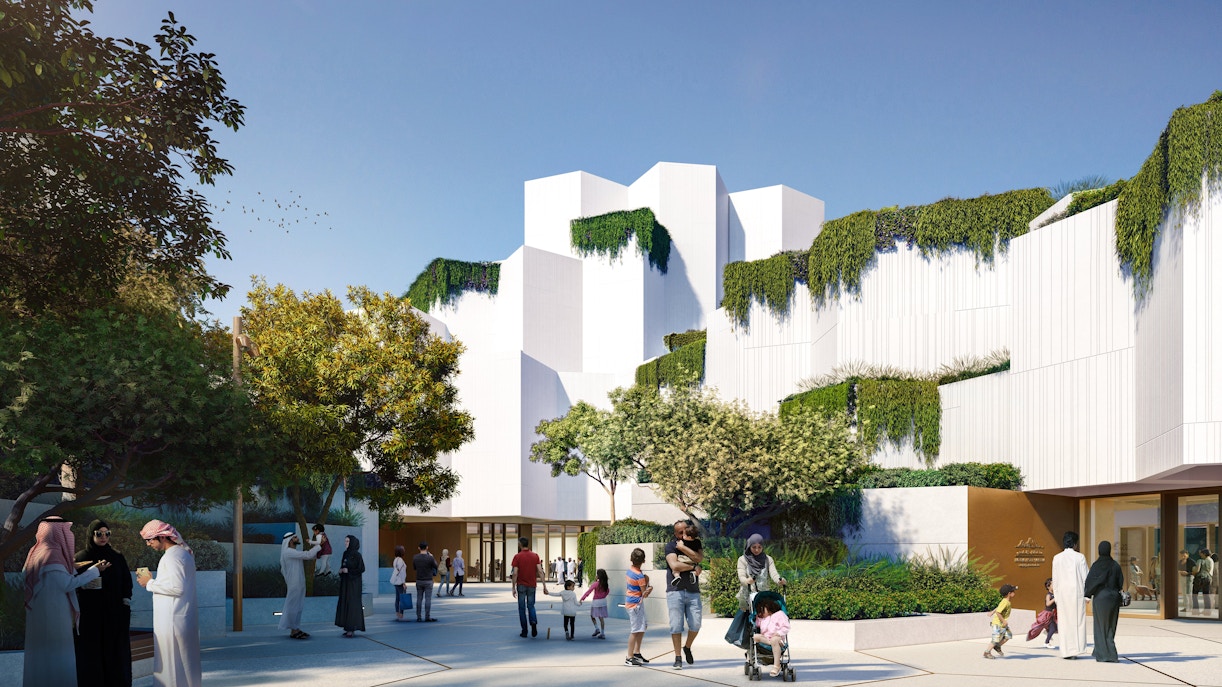
Interactive galleries, hands-on science stations, and a dedicated children’s zone make the museum engaging for families, while layered storytelling keeps adults and science enthusiasts deeply absorbed.

Why it matters: It works equally well as a family outing, an educational visit, or a thoughtful solo experience.

About the Natural History Museum Abu Dhabi

🕰️ Brief history

The Natural History Museum Abu Dhabi opened in November 2025 as part of Abu Dhabi’s long-term vision to build world-class cultural and educational institutions.

Why it matters: It fills a major gap in the region—bringing a comprehensive, research-led natural history museum to the Middle East for the first time.

Developed within the Saadiyat Cultural District, the museum was conceived to sit alongside art and heritage institutions while focusing squarely on science, evolution, and the natural world. From the start, it was designed not just as a visitor attraction, but as a platform for scientific learning, public education, and international collaboration.

🏛️ Designed by Mecanoo, specialists in cultural spaces

The museum was designed by Mecanoo, an award-winning Dutch architecture firm known for human-centered museums and civic buildings.

Why it matters: Mecanoo specializes in making large, complex institutions intuitive and welcoming—crucial for a museum that spans billions of years of history.

Mecanoo’s portfolio includes major libraries, museums, and cultural landmarks worldwide. For Abu Dhabi, the firm worked closely with local authorities and scientific partners to create a building that supports immersive storytelling, smooth visitor flow, and long-term sustainability.

🪨 Architecture inspired by Earth’s geological layers

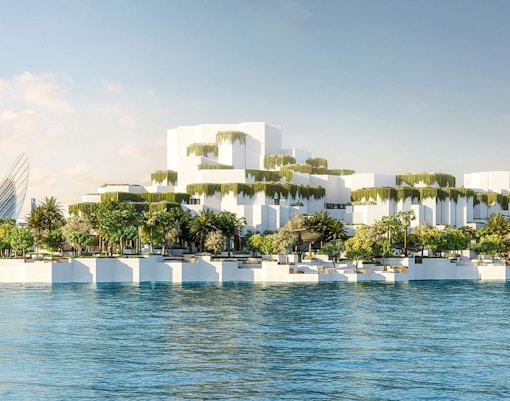
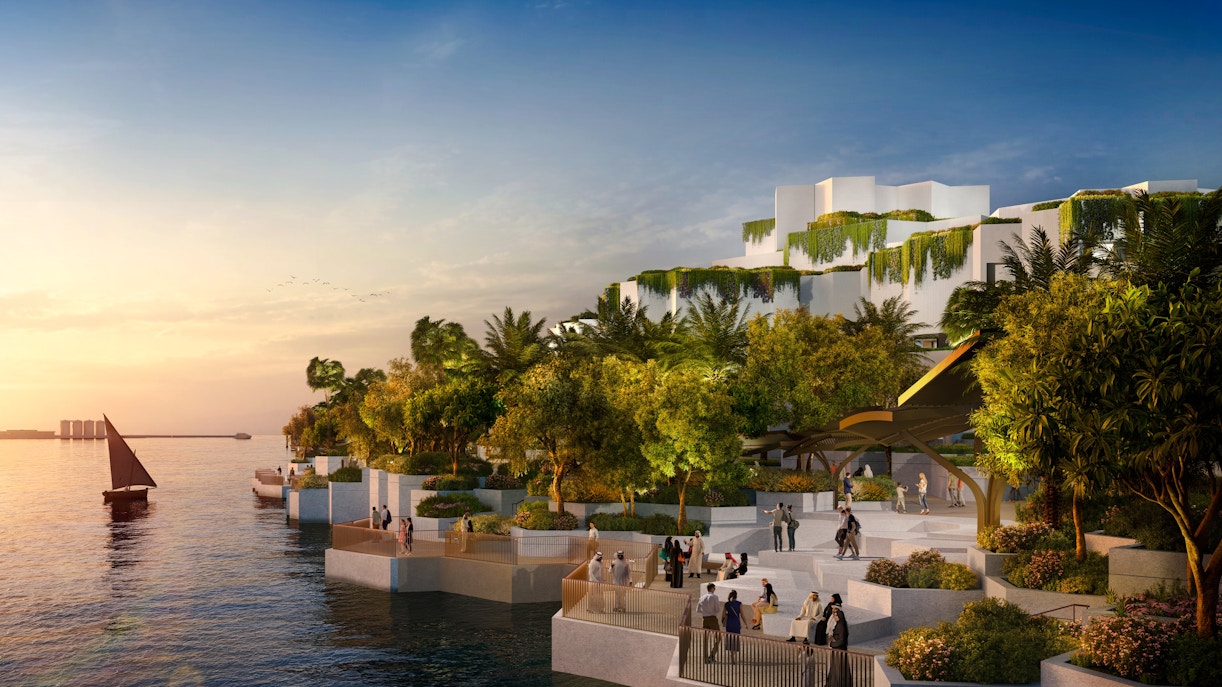
The building’s form draws directly from natural landforms, echoing rock strata shaped over millions of years.

Why it matters: The architecture reinforces the museum’s message—visitors are not just learning about Earth’s history, they are physically moving through a space shaped by those same forces.

Flowing exterior lines and layered interiors mirror geological processes, while the central atrium acts as a visual anchor for large-scale specimens like the blue whale skeleton. Natural light, open sightlines, and a chronological layout guide visitors intuitively from gallery to gallery without confusion or backtracking.

🔬 More than exhibits: a living science institution

The Natural History Museum Abu Dhabi functions as both a public museum and a science education hub.

Why it matters: Your visit supports ongoing research, learning programs, and scientific dialogue in the region.

Beyond permanent galleries, the museum hosts temporary exhibitions, school programs, workshops, and public talks. It collaborates with international museums and research institutions, positioning Abu Dhabi as an active contributor to global conversations about biodiversity, climate science, and the future of life on Earth.

Frequently asked questions about the Natural History Museum Abu Dhabi

How long does it take to visit the Natural History Museum Abu Dhabi?

Most visitors spend around 2–3 hours exploring the galleries, though science enthusiasts may stay longer to engage with interactive exhibits.

Is the Natural History Museum Abu Dhabi suitable for children?

Yes. The museum includes interactive displays, large-scale fossils, and hands-on learning elements designed to engage children of all ages.

Where is the Natural History Museum Abu Dhabi located?

The museum is located in the Saadiyat Cultural District on Saadiyat Island, alongside other major cultural institutions.

Does the museum have temporary exhibitions?

Yes. In addition to permanent galleries, the museum hosts rotating temporary exhibitions focused on specific scientific themes.

Is the museum accessible for visitors with disabilities?

Yes. The building is fully accessible, with step-free routes, elevators, and accessible facilities throughout.