Why is the Zayed National Museum a must-visit attraction?
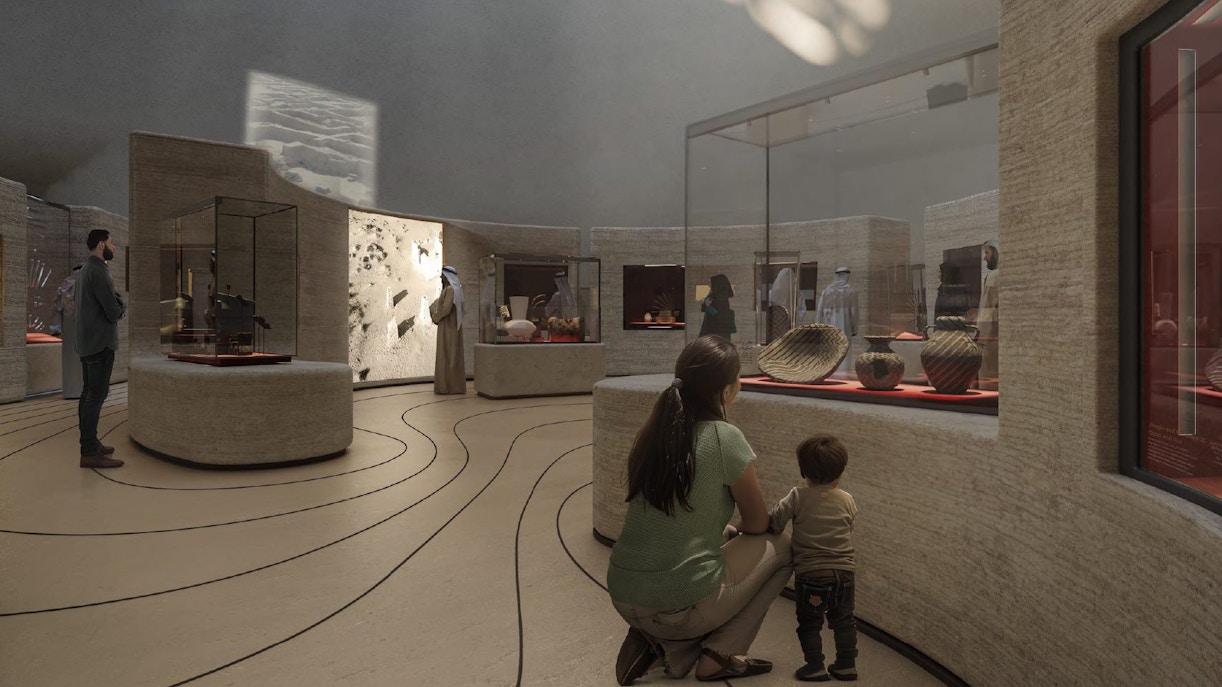
Mom and child viewing exhibits at Zayed National Museum.
  • Narrative design: Galleries and the 600-m Al Masar Garden lead you from landscape to life, explaining how geography shaped culture.
  • Sensory storytelling: Multimedia, soundscapes, scent and interactive displays complement artefacts.
  • Local focus: The collection emphasizes Emirati heritage, combining rare ancient finds with Sheikh Zayed’s personal objects.
  • For repeat visitors: Rotating temporary exhibitions and public programmes keep the experience fresh.

Sheikh Zayed bin Sultan Al Nahyan: The Father of the Nation

Who he was: Sheikh Zayed (1918–2004) was the first President of the UAE and the principal architect of the federation. His values, consensus, environmental stewardship and social investment, shape the museum’s purpose.

Early life & leadership

  • Born at Qasr Al Hosn, raised around Al Ain; learned desert survival, water management and community governance.
  • As Ruler’s Representative (1946) he modernised Al Ain with schools, water systems and basic administration.
  • Became Ruler of Abu Dhabi (1966) and used oil revenues to fund nation-building.

Unifying the Emirates

  • Led diplomatic negotiations culminating in the UAE’s formation on 2 December 1971.
  • Practised consensus through majlis traditions and patient diplomacy.

Vision, values & legacy

  • Prioritised education, healthcare, infrastructure and environmental protection.
  • International humanitarian programmes established through development funds and charities.
  • Famous maxim echoed in the museum: “If you do not know your past, then you cannot know your future.”
What to see at the Zayed National Museum?

Al Masar Garden

A 600-meter outdoor gallery leading from the Saadiyat coastline to the museum entrance. Landscaped with native desert, oasis, and coastal plants, it features a working falaj irrigation channel, animal-inspired sculptures, shaded seating, and interpretive displays. The garden introduces themes of land, water, and heritage while offering panoramic views and occasional cultural performances.

Al Liwan (Central Atrium)

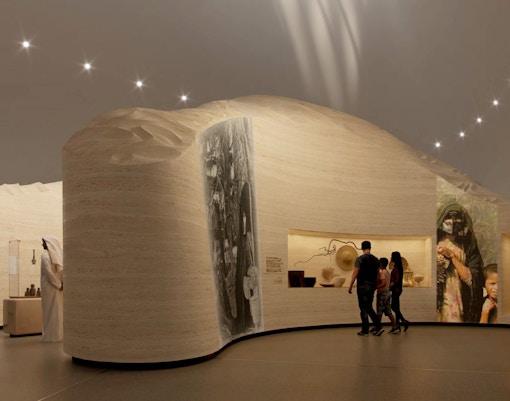
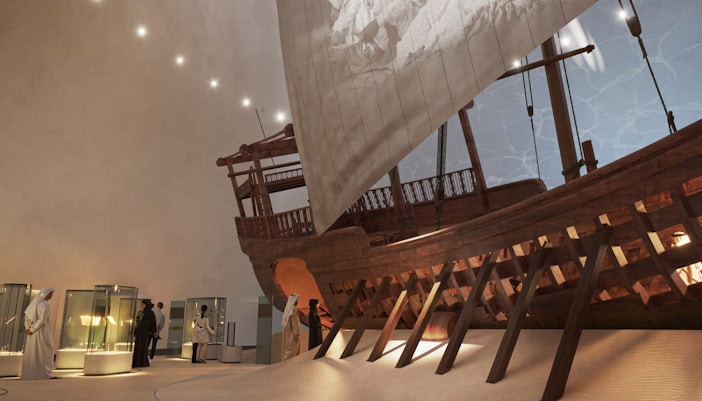
A soaring, light-filled atrium that serves as the museum’s welcome space and cultural performance hub. Locally cast concrete walls create a warm, sand-toned atmosphere, while daily heritage performances animate the space. The centerpiece is the 18-meter Bronze Age Magan boat reconstruction, symbolizing the UAE’s deep maritime history and connecting visitors to ancient seafaring traditions.

Our Beginning

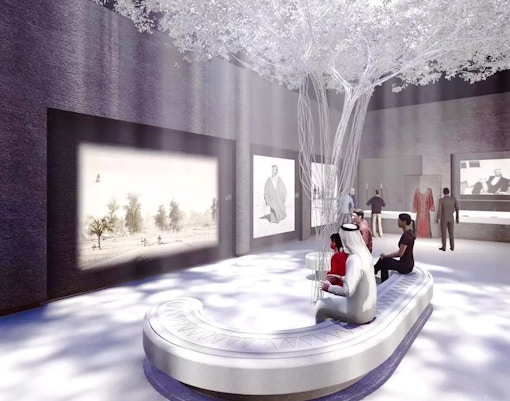
This gallery traces the life and leadership of Sheikh Zayed through personal items, photographs, letters, and archival recordings. It highlights his early years in Al Ain, his rise to leadership, and his role in unifying the Emirates. Interactive displays share public memories of the nation’s founding, offering an intimate look at the values that shaped the UAE’s formation.

Through Our Nature

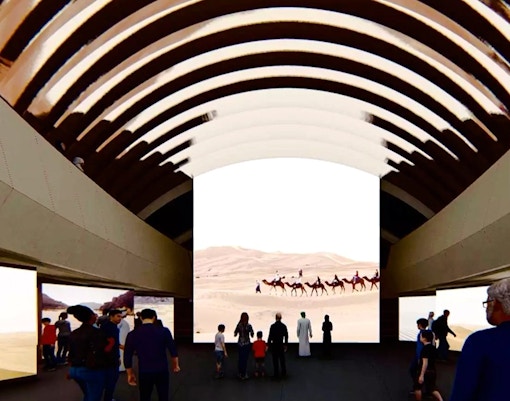
An immersive exploration of the UAE’s landscapes, from mountains and deserts to oases and coastlines. Displays highlight minerals, sands, rock formations, marine life, and traditional water-management techniques. Multisensory environments explain how geography influenced settlement and sustainability, reflecting Sheikh Zayed’s lifelong commitment to environmental stewardship.

To Our Ancestors

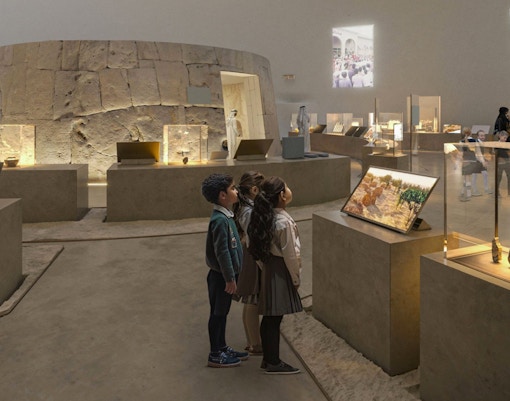
A journey through 300,000 years of archaeology, featuring Paleolithic tools, Bronze and Iron Age objects, and early settlement finds. The gallery reveals how ancient communities adapted, traded, and organized their societies. Highlights include a 300,000-year-old stone tool and Bronze Age metalwork, offering insight into early innovation and cultural development in the region.

Through Our Connections

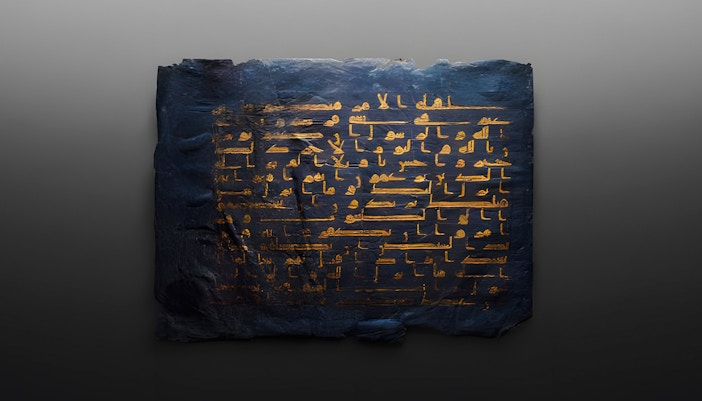
This gallery explores cultural, linguistic, and technological exchange across the Arabian Peninsula from the Iron Age to the Islamic period. Key displays include rare Blue Quran folios with gold Kufic calligraphy. Artefacts and multimedia installations illustrate how ideas, trade, and scholarship linked the region to wider civilizations and shaped its evolving identity.

By Our Coasts

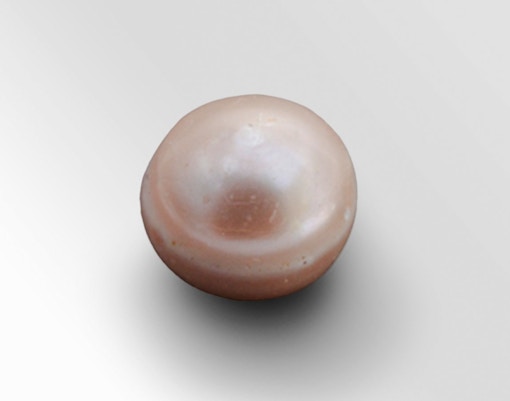
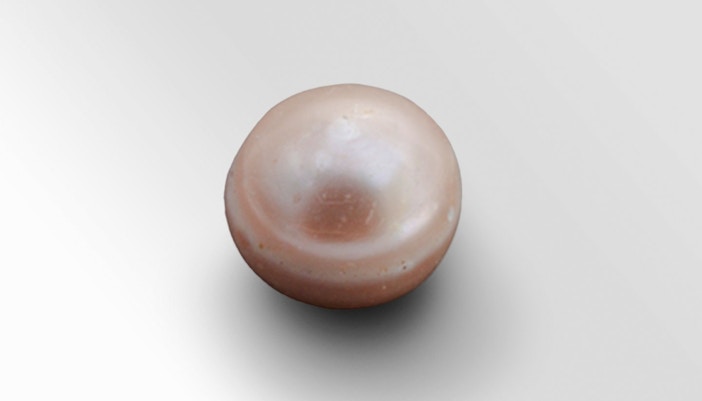
An engaging look at the UAE’s maritime heritage, from pearling and fishing to long-distance trade. Artefacts highlight navigation tools, fishing equipment, and pearling traditions. The 8,000-year-old Abu Dhabi Pearl demonstrates the antiquity of coastal life. The gallery shows how seafaring shaped economic, cultural, and social development across generations.

To Our Roots

A celebration of inland Emirati traditions, focusing on crafts, architecture, domestic life, and the cultural values that define communities. Displays include textiles, weapons, household objects, falconry items, and historical doors. Themes of hospitality, majlis culture, poetry, and family ties illustrate how enduring customs continue to guide modern Emirati identity.

Highlights of Zayed National Museum in Abu Dhabi

Abu Dhabi Pearl

One of the world's oldest natural pearls at 8,000 years old, discovered on Marawah Island. This tiny treasure revolutionized understanding of the region's economic history, proving pearl diving sustained communities for millennia.

18-Meter Magan Boat

Full-scale Bronze Age vessel reconstruction dominating the central atrium. Built using ancient techniques by Zayed University and NYU Abu Dhabi researchers, representing 5,000-year-old maritime heritage and trade connections.

Blue Quran Folios

Five precious pages from the 9th-10th century manuscript featuring distinctive indigo pages and gold Kufic calligraphy. Recent imaging revealed hidden verses beneath gold leaf, adding scholarly significance to these already rare artifacts.

Sheikh Zayed's Chrysler Newport

Meticulously recreated 1966 vehicle matching the car Sheikh Zayed drove through desert terrain. Sourced from California and restored with larger desert-terrain wheels and flag mount, symbolizing his connection to the land.

300,000-Year-Old Stone Tool

Paleolithic artifact from Jebel Hafit, Al Ain, representing some of the earliest evidence of human presence in the Arabian Peninsula and showcasing the region's deep archaeological significance.

Bronze Age Sword

Recently exhibited weapon demonstrating that ancient warriors were buried with their arms. Part of major archaeological discoveries revealing sophisticated early societies with complex social structures and advanced metalworking.

Personal Artifacts

Sheikh Zayed's Quran, distinctive rattan stick, and personal letters offering intimate glimpses into the Founding Father's daily life, religious devotion, and the wisdom that guided his leadership and nation-building efforts.

Naturally Oxidized Copper

Striking specimens from Hajar Mountains displaying vibrant azure, green, and gold colors under gallery lighting. Demonstrates natural mineral diversity and the geological processes that created the region's distinctive landscapes.

Brief history of Zayed National Museum

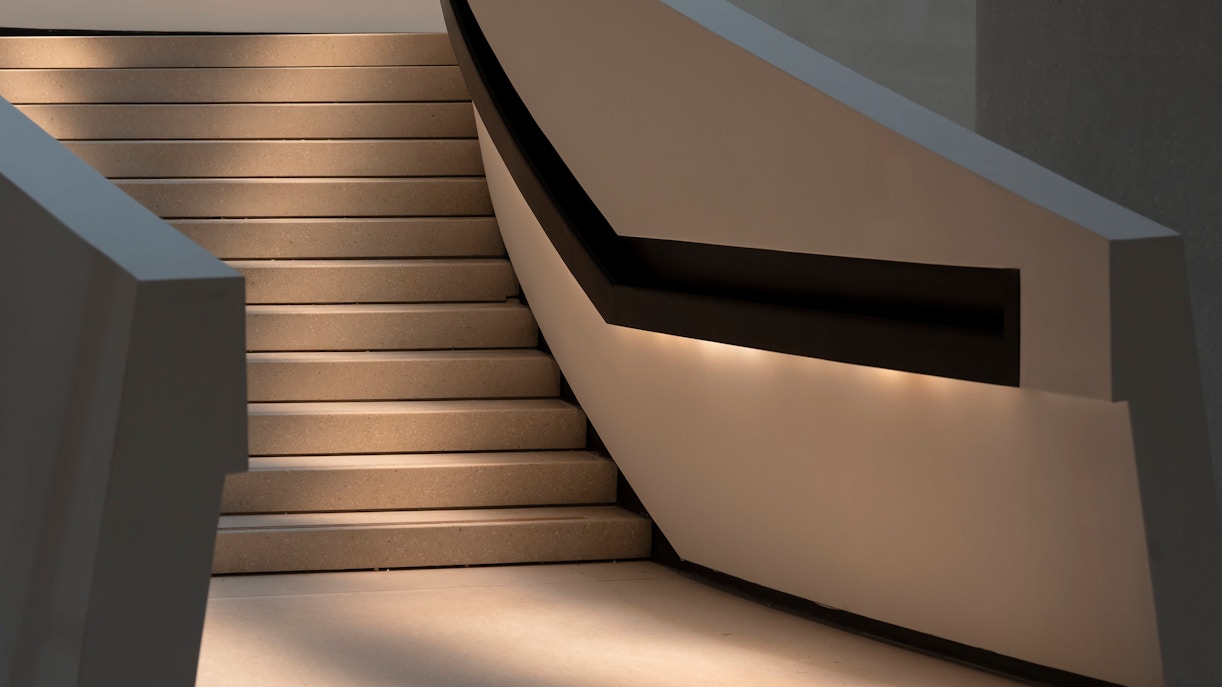
Staircase inside Zayed National Museum with modern design elements.
  • 2007: Zayed National Museum is officially announced as a flagship project of the Saadiyat Cultural District.
  • 2009: Long-term partnerships and research collaborations begin, shaping curatorial strategy and archaeological priorities.
  • 2010s: Collection building accelerates, with major contributions from Emirati families, national institutions and archaeological projects across the UAE.
  • 2018: International partnerships are renewed, strengthening research and potential loan agreements.
  • 2019: Archaeologist Dr Peter Magee is appointed Director, guiding research, acquisition and exhibition development.
  • 2020–2024: Construction, environmental testing and exhibition fit-out progress; key research initiatives (including the Magan boat reconstruction) reach public completion.
  • 3 December 2025: Zayed National Museum opens to the public, launching with the “Deep Roots and Everlasting Legacy” cultural programme.

Who built Zayed National Museum

Architecture & design team

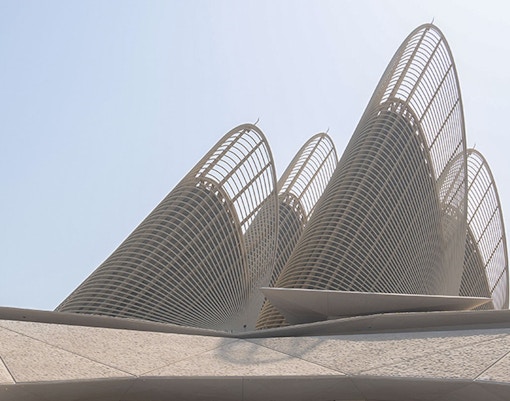
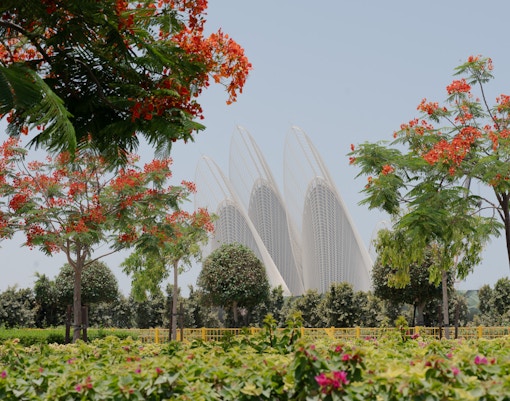
The museum was designed by Foster + Partners (Norman Foster), whose brief combined national symbolism with high-performance sustainable engineering. Foster + Partners led the architectural concept, technical design and environmental strategies that shape the building’s distinctive falcon-wing form.

Curators, research & partners

ZNM’s curatorial and research programme was driven by a combination of the Department of Culture and Tourism, Abu Dhabi, the museum’s in-house team (led by Director Dr Peter Magee) and academic partners including Zayed University and NYU Abu Dhabi. These partnerships produced the museum’s research outputs (for example, the Magan boat reconstruction) and fed into its collections, exhibitions and the Zayed National Museum Research Fund.

Construction & delivery

Delivery involved international contractors, museum specialists and local consultancies working with Foster + Partners and the Abu Dhabi authorities to integrate conservation standards, museum engineering and landscape works for Saadiyat Island. The museum’s opening followed rigorous testing of environmental controls, exhibition fit-out and public programming.

Key architectural features

  • Falcon-wing towers (thermal chimneys): sculptural steel wings that regulate airflow and daylight.
  • Buried cooling pipes & thermal mass: subterranean cooling combined with the mound/landform reduces solar gain and pre-cools intake air.
  • Triple-layer glazing & electrochromic systems: high-performance glazing moderates daylight while preserving views and controlling heat.
  • Mounded form & insulation: the museum sits partly within a sculpted mound that provides insulation and links the building to local topography.
  • Gallery arrangement: pod-like galleries are suspended above a central atrium (Al Liwan) to create controlled conservation environments while maintaining a dramatic public space.

Zayed National Museum's cultural significance

  • Unifies the seven emirates by highlighting shared history, Islamic values, and cultural traditions across diverse regions.
  • Connects past to present, showing how geography, trade, innovation, and belief shaped a collective Emirati identity over thousands of years.
  • Supports national research through the Zayed National Museum Research Fund (launched 2023), which funds studies on UAE culture, history, and Sheikh Zayed’s legacy.
  • Collaborates with leading institutions, including Zayed University and NYU Abu Dhabi, on projects such as the Magan boat reconstruction, building expertise among emerging Emirati researchers and heritage professionals.
  • Invests in education, offering programs for schools and universities that encourage young people to pursue careers in archaeology, conservation, and cultural studies.
  • Champions accessibility, with staff trained in the Hidden Disabilities Sunflower programme and Emirati Sign Language tours led by hearing-impaired specialists Bader and Shooq Almaskari.
  • Maintains a community “vault”, inviting visitors to contribute family photos, documents, and memories, creating a living archive that evolves with the people of the UAE.
  • Reflects the UAE’s cosmopolitan identity, telling the story of “all the people of this land, not just Emiratis,” as noted by Mohamed Khalifa Al Mubarak.

Frequently asked questions about Zayed National Museum

What is Zayed National Museum known for?

Zayed National Museum is known as the national museum of the United Arab Emirates, celebrating the life and legacy of Sheikh Zayed bin Sultan Al Nahyan, the Founding Father. It showcases 300,000 years of human history through over 1,500 artifacts including the 8,000-year-old Abu Dhabi Pearl and an 18-meter Bronze Age Magan boat.

When did Zayed National Museum open?

Zayed National Museum opened to the public on December 3, 2025, inaugurated by President Sheikh Mohamed bin Zayed Al Nahyan during the UAE's 54th Eid Al Etihad celebrations. The opening came after years of delays from its originally planned 2012 launch date.

How long does it take to visit Zayed National Museum?

Plan to spend 3-4 hours exploring Zayed National Museum thoroughly. This allows time to walk through Al Masar Garden, experience all six permanent galleries, view the central Magan boat, and perhaps attend a cultural performance in the Al Liwan atrium.

What are the must-see artifacts at Zayed National Museum?

Must-see highlights include the 8,000-year-old Abu Dhabi Pearl, the 18-meter Magan boat reconstruction, five folios from the Blue Quran, Sheikh Zayed's personal Chrysler Newport and Quran, the 300,000-year-old Paleolithic stone tool, and naturally oxidized copper specimens from the Hajar Mountains.

Is Zayed National Museum suitable for children?

Yes, Zayed National Museum offers engaging experiences for all ages. Children under 18 enter free, and the museum features interactive exhibits, multisensory installations, and hands-on workshops. The Al Masar Garden provides outdoor exploration opportunities, and cultural performances in the atrium entertain young visitors.

How is Zayed National Museum different from other museums in Abu Dhabi?

Unlike Louvre Abu Dhabi's international art focus, Zayed National Museum specifically tells the UAE's story through locally sourced artifacts from Emirati families and institutions. It uniquely combines archaeological finds spanning 300,000 years with Sheikh Zayed's personal items, creating a narrative centered on Emirati identity and national unity.

How does Zayed National Museum connect to other attractions on Saadiyat Island?

Zayed National Museum is part of Saadiyat Cultural District, located 800 meters from Louvre Abu Dhabi. The museums connect via an overground walkway and the Al Masar Garden path. Visitors can easily explore multiple cultural institutions including Natural History Museum Abu Dhabi and teamLab Phenomena in one visit.

Why are the towers shaped like falcon wings?

The five towers shaped as falcon wings honor Sheikh Zayed's passion for falconry, a traditional Emirati practice. The falcon symbolizes aspiration to great heights, freedom, and connection to cultural heritage—values central to Sheikh Zayed's vision and the UAE's national identity.

Is Zayed National Museum wheelchair accessible?

Yes, Zayed National Museum is fully wheelchair accessible with stair-free routes, lift access to all levels, and accessible facilities throughout. The layout is designed for easy navigation, and staff are trained in the Hidden Disabilities Sunflower programme to assist visitors with various needs.